What Age Should a Child Start Karate?
If you’re wondering about the best age to start karate, there isn’t one number that works for every child. Some children are comfortable joining a structured class at four or five, while others may enjoy it more if they start a little later.
Age is only part of the picture. A child’s ability to listen, follow simple instructions, participate in a group and stay engaged during class can be just as important.
So rather than worrying about whether your child is starting too early or too late, it helps to look at what karate training is like at different ages and whether your child seems ready for it.
What Is the Best Age to Start Karate?
Many children begin karate between the ages of four and seven. At this stage, they are developing the coordination, listening skills, and attention needed to participate in a structured class.
However, this doesn’t mean four to seven is the only time to start. Some children are ready earlier, while others feel much more comfortable beginning at seven, eight or even later.
The best age to start karate is when your child can participate, follow the class, and enjoy learning without feeling overwhelmed.
Karate Age for Kids: What to Expect at Different Stages
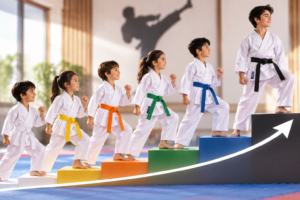
Children learn and respond to training differently as they grow. Understanding what classes may look like at each stage can help you decide whether your child is ready.
Ages 3–4: Getting Used to a Class Environment
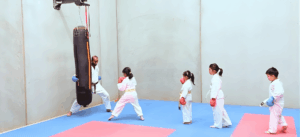
Some karate programs accept children as young as three. At this age, classes are generally shorter, with plenty of movement and simple activities to keep young children interested.
The emphasis is usually on basic coordination, listening and becoming comfortable following instructions in a group. There may be some introduction to karate movements, but technical development is not usually the main focus. For some children, this can be a fun introduction. Others may benefit from waiting until they are a little more comfortable with structure and group activities.
Ages 4–6: Building the Foundations
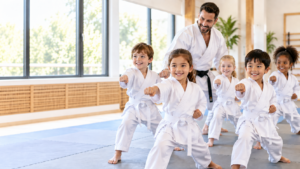
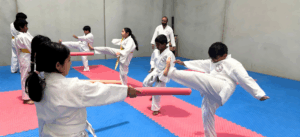
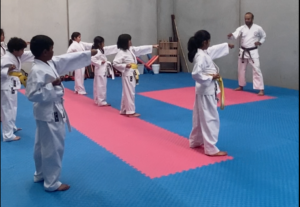
Between four and six, many children become better at following instructions, joining group activities and learning simple routines. Karate classes at this age can introduce basic techniques while giving children plenty of opportunities to work on coordination, balance, listening and class discipline.
The important thing is that training matches the child’s age. Younger children generally respond better when classes combine structure with activities that keep them moving and involved.
Ages 7–10: Developing Skills and Focus
If your child hasn’t started karate by seven, they certainly haven’t missed their opportunity.
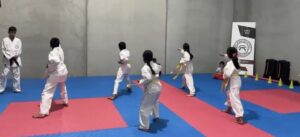
Children in this age group can usually concentrate for longer and understand instructions in greater detail. They may also have a better understanding of goals and progression, which can make working towards new techniques and belts particularly rewarding. For many children, ages 7 to 10 can be an excellent time to begin karate.
Ages 11 and Above: Starting with Clearer Goals
There is nothing wrong with starting karate later. Older children and teenagers often understand techniques and instructions more quickly, while training can become more physically challenging as their abilities develop.
Karate can also provide pre-teens and teenagers with a regular activity outside school where they can work on fitness, confidence, and personal goals. Starting at eleven, thirteen or even later does not put a student at a disadvantage simply because other children started younger.

How Do You Know If Your Child Is Ready for Karate?
Instead of concentrating only on your child’s age, think about how they respond to structured activities.
Your child may be ready if they can follow simple instructions, participate in a group and stay engaged for a short period without needing constant reminders. An interest in physical activity and a willingness to try something unfamiliar are also helpful signs. They don’t need to be perfectly focused or confident before they begin. Those are skills children can continue developing as they become familiar with training.
Can a Child Start Karate Too Early?
It depends on the child and the type of class. A very young child may enjoy running, kicking and copying movements but still find it difficult to follow a structured lesson. That doesn’t mean karate isn’t suitable for them. They may simply need a program designed specifically for younger children or a little more time before joining a regular kids’ class.
Starting earlier isn’t automatically better. What matters is whether your child enjoys the experience and is comfortable enough to participate.
Is Starting Karate Later a Problem?
No. Children who start at seven, eight, ten or beyond can still make excellent progress. In fact, older beginners may find some parts of training easier because they can concentrate for longer, understand corrections and remember techniques more readily. Rather than comparing your child with someone who started earlier, it is better to focus on whether they are enjoying their training and progressing at a pace that suits them.
Why Readiness Matters More Than the Exact Age
Choosing the best age to start karate isn’t about getting your child into a class as early as possible.
If children enjoy their classes and feel comfortable with the level of structure, they are more likely to look forward to training and keep learning. If they are not quite ready, waiting a little longer can sometimes make their first experience much more positive. Every child develops differently, so readiness is often a better guide than age alone.
What Changes Might Parents Notice?
As children become familiar with karate, parents may begin to notice small changes outside the dojo as well.
A child might become more comfortable speaking up, listen more carefully or show greater willingness to keep trying when something is difficult. Others may simply become more confident participating in physical activities. These changes happen gradually, and every child responds to training differently.
Choosing a Karate Program for Your Child
Once you feel your child is ready, the class itself matters just as much as their age.
Look for a program where training is appropriate for your child’s age and experience. Instructors should be able to communicate clearly with children, keep classes structured without making them intimidating, and allow beginners time to settle in.
A trial class can be particularly useful. It gives your child the chance to experience the instructor, other students and the class environment before you decide whether the program is right for them.
So, What Age Should a Child Start Karate?
There is no perfect age for kids to start karate. Many children begin between four and seven, but starting at eight, ten or during the teenage years is certainly not too late.
The better question is whether your child is ready to listen, participate and enjoy being part of a structured class. If you’re unsure, let them try a class. Seeing how your child responds to karate will usually tell you far more than choosing a starting age based on a number alone.